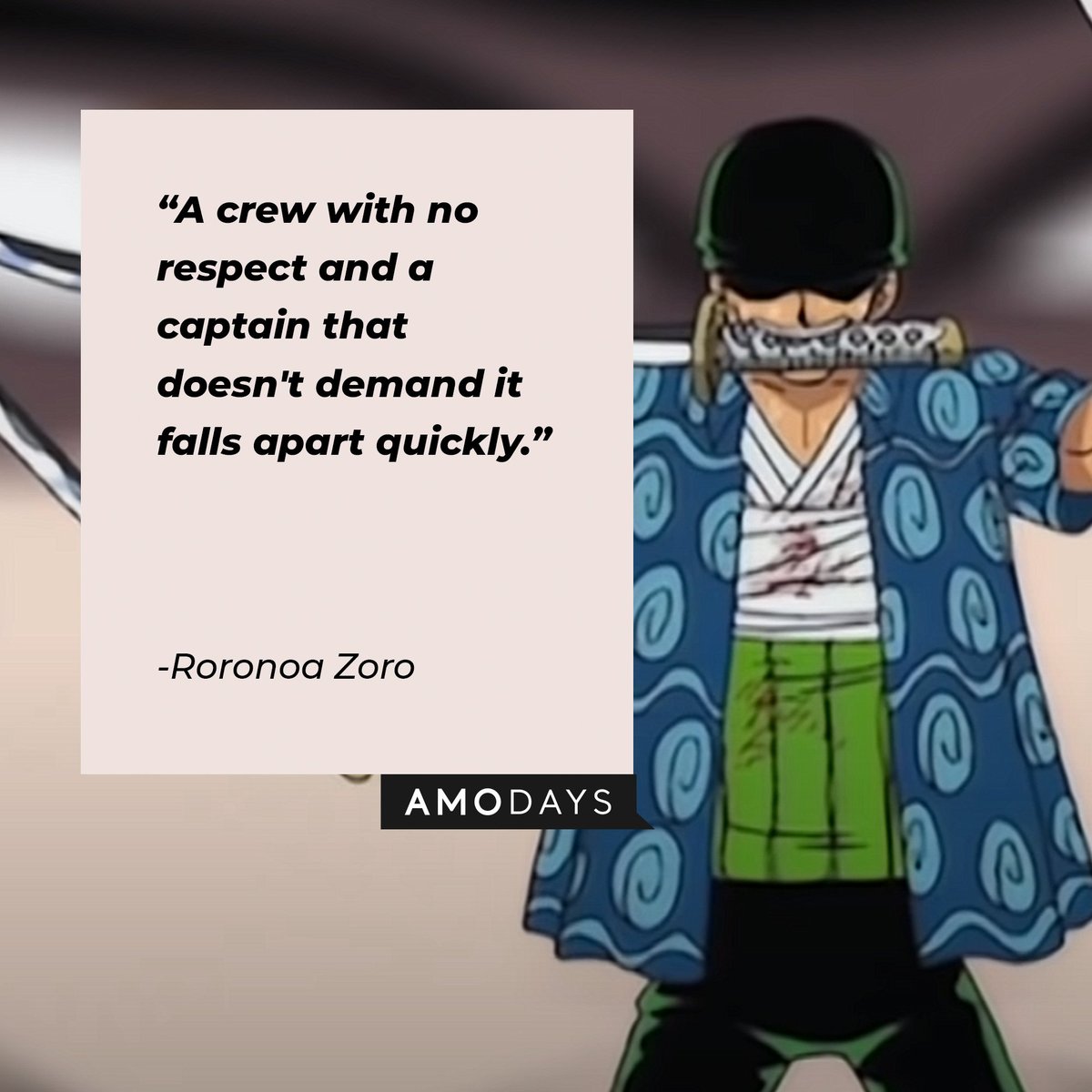
Roronoa Zoro, the Straw Hat Pirates' indomitable swordsman, has captivated millions of One Piece fans worldwide since his debut in 1997. Known for his fierce loyalty, unparalleled combat skills, and legendary sense of direction (or lack thereof), Zoro stands as one of anime's most iconic characters. But beneath the surface of this green-haired demon lies a secret that few recognize: his very name is a direct homage to one of history's most terrifying real-life pirates. This isn't just a fascinating trivia tidbit; it's a window into Eiichiro Oda's genius, weaving threads of historical brutality into the fabric of a modern hero.
Join us as we pull back the curtain on the true origins of Roronoa Zoro, exploring how a 17th-century monster helped shape the Straw Hat's moral compass and devastating sword style, and discover how his journey diverges from his namesake towards a far nobler destiny.
Unmasking the Truth: The Ruthless Pirate Behind "Roronoa"
The "Roronoa" in Zoro's name isn't just a cool-sounding fantasy moniker. It's a deliberate and direct reference to a historical figure whose legend is steeped in terror and blood: François l'Olonnais. This 17th-century French buccaneer, whose name was pronounced "L'Olonnê" in a way that inspired the Japanese "Roronoa," was a scourge of the Caribbean, earning the chilling title "The Bane of Spain."
L'Olonnais was an indentured servant who rose to become one of the most feared pirates of his era. His methods were notoriously cruel, from surviving shipwrecks by hiding under corpses to beheading entire Spanish crews. In one particularly gruesome account, he cut out and ate a Spaniard's heart, leaving a legacy of savagery. His reign of terror ultimately ended in a fittingly brutal manner in 1667, captured and shredded alive by indigenous tribes. To truly grasp the monstrous inspiration, you might want to delve into the dark tales of François l'Olonnais.
Zoro's Ascent: From Pirate Hunter to Straw Hat Icon
While Roronoa Zoro might share a penchant for brutality in battle with his namesake, his moral compass points in an entirely different direction. Zoro began his journey as a notorious pirate hunter, eventually becoming the very first crewmate to pledge loyalty to Monkey D. Luffy. He quickly established himself as the Straw Hat Pirates' formidable swordsman and combatant, often viewed as the crew's silent, unappointed vice-captain.
Throughout his adventures, Zoro's legend has grown, marked by progressively increasing bounties. From an initial 60 million berries, his worth has skyrocketed to an astounding 1,111,000,000 berries after the Onigashima Raid. This meteoric rise reflects not just his growing power but his vital role in Luffy's dream to become the Pirate King. You can track Zoro's impressive bounty evolution and see how each major confrontation contributed to his legendary status.
The Dance of Blades: Zoro's Unrivaled Combat Prowess
Zoro's fighting style is a spectacle of power and precision, far removed from the crude savagery of his historical inspiration, yet equally devastating. His signature Three Sword Style, which includes formidable techniques like the King of Hell Three Sword Style and Oni Giri, showcases his unique mastery. He wields three iconic swords: Enma, Wado Ichimonji, and Sandai Kitetsu, each with its own story and significance.
Beyond his swordsmanship, Zoro is a master of Haki, proficient in both Armament and Observation Haki. Post-time skip, he even unlocked an advanced form of Conqueror's Haki, allowing him to coat his blades and unleash powerful Haki blasts. This blend of technique and raw power makes him one of the most formidable combatants in the One Piece world. For an in-depth look at his unique fighting style, explore his mastery of the Three Sword Style, and for a complete breakdown of his spiritual energy, uncover the intricacies of his Haki abilities.
The Heart of a Swordsman: Loyalty, Dreams, and a Lack of Direction
Despite the stern exterior and battle-hardened demeanor, Zoro's character is defined by a profound sense of loyalty and an unwavering dream. He is often the logical voice of reason for the Straw Hat crew, providing a grounding force amidst Luffy's boundless enthusiasm. His loyalty to Luffy is legendary, exemplified by his willingness to sacrifice his life and his own dream for his captain on Thriller Bark. He also upholds Luffy's authority with an iron will, notably insisting on Usopp's apology before rejoining the crew.
Zoro's ultimate dream is to become the world's greatest swordsman, a solemn vow made to his childhood friend, Kuina. This ambition drives his constant training and growth, shaping every battle he fights. Adding a touch of endearing humanity to his stoic persona is his notoriously terrible sense of direction – a running gag that never fails to amuse. To dive deeper into Zoro's unwavering loyalty and stoic demeanor, you'll find a complete character analysis. We also learn that his lineage is as rich as his ambition; revealed in Volume 105, Zoro is a descendant of the Shimotsuki family of Wano Country, making him a distant cousin to Kuina and connected to the legendary Shimotsuki Ryuma. If you're curious to unravel the fascinating threads of Zoro's family history, we have a dedicated guide.
The Wings of the Pirate King: Zoro's Defining Relationships
No discussion of Zoro is complete without acknowledging his dynamic with the rest of the Straw Hats, especially his fiery rivalry with Sanji. Though they constantly bicker, their combined strength and unwavering commitment to Luffy have earned them the title "Wings of the Pirate King." They represent the critical balance and power needed for Luffy to achieve his dream. Unpack the dynamic rivalry between Zoro and Sanji and understand how their clashes fuel the crew's journey.
Ultimately, Zoro's path leads him to a final confrontation with Dracule "Hawk Eyes" Mihawk, the current holder of the title "World's Greatest Swordsman." Unlike his namesake l'Olonnais, whose life ended in brutal defeat, Zoro is destined to achieve his dream, overcoming all challenges to claim his rightful place at the pinnacle of swordsmanship. Don't miss the full story of the epic rivalry between Zoro and Dracule Mihawk.
Oda's Masterclass: More Real-World Pirate Inspirations
Zoro's name isn't an isolated case. Eiichiro Oda's world-building often draws heavily from real-world pirate history, enriching the lore of One Piece with authentic flavor. Characters like Edward Teach (Blackbeard), Captain William Kidd (Eustass Kid), Anne Bonny (Jewelry Bonney), and Bartholomew Roberts (Bartolomeo) are all inspired by actual historical pirates. This deliberate integration showcases Oda's meticulous approach to crafting a believable yet fantastical world. Curious about the full roster of historical figures woven into the Grand Line? Explore other fascinating real-world pirate inspirations throughout One Piece.
Zoro's Enduring Legacy Across Media
Zoro's compelling character, blending a dark historical inspiration with a noble spirit, has cemented his place as a fan favorite. He consistently ranks among the top three most popular characters in One Piece polls, usually second only to Luffy. His appeal extends beyond the manga and anime, appearing in every One Piece licensed video game and various crossover media. Most recently, Mackenyu's compelling performance in the live-action adaptation brought Zoro to life for a new generation of fans. Discover the live-action portrayal of Zoro and how it resonated with audiences worldwide.
From a real-life pirate of unspeakable cruelty to a fictional hero driven by loyalty and an honorable dream, Roronoa Zoro embodies the fascinating dichotomy at the heart of One Piece. His story isn't just about becoming the world's greatest swordsman; it's about transcending a dark legacy to forge his own path, a true testament to the power of human will and the strength of chosen family. Zoro's journey continues to inspire, reminding us that even the most formidable battles can be won with courage, loyalty, and an unyielding spirit.